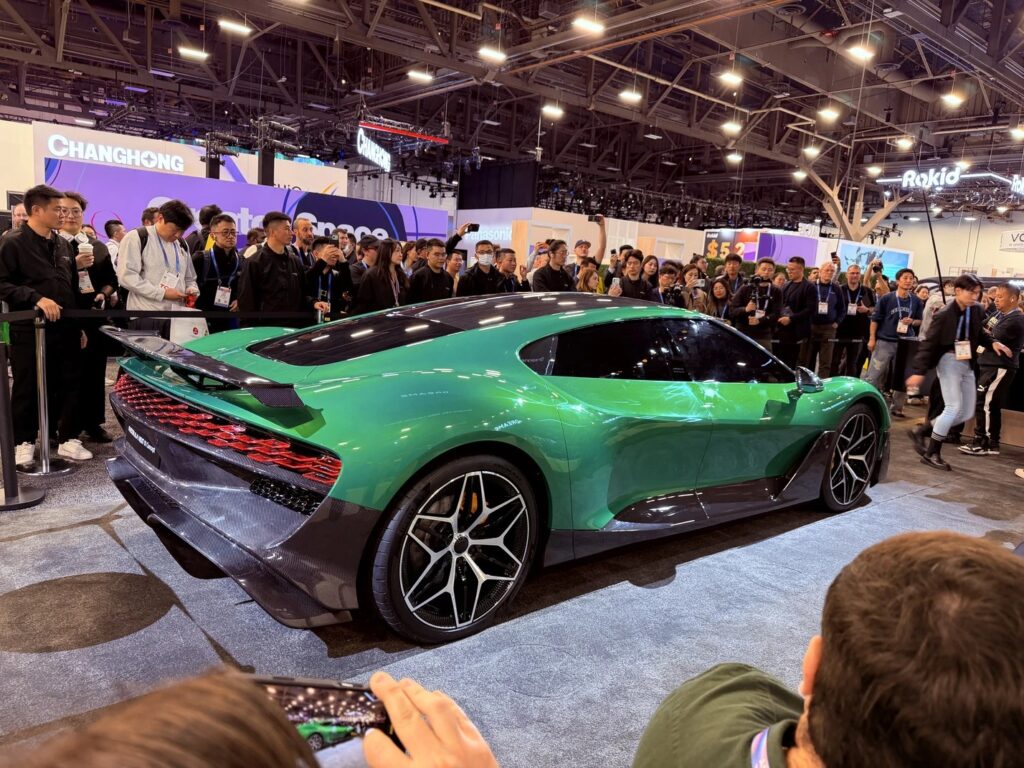
At CES 2026 in Las Vegas, the expected unveilings from tech giants were upstaged by a startling debut from an unlikely source. Dreame Technology, a company best known for manufacturing robot vacuum cleaners, unveiled the Kosmera Nebula Next 01, a four-door electric concept car with hypercar performance that stunned attendees and signaled a bold new player in the high-stakes EV arena.
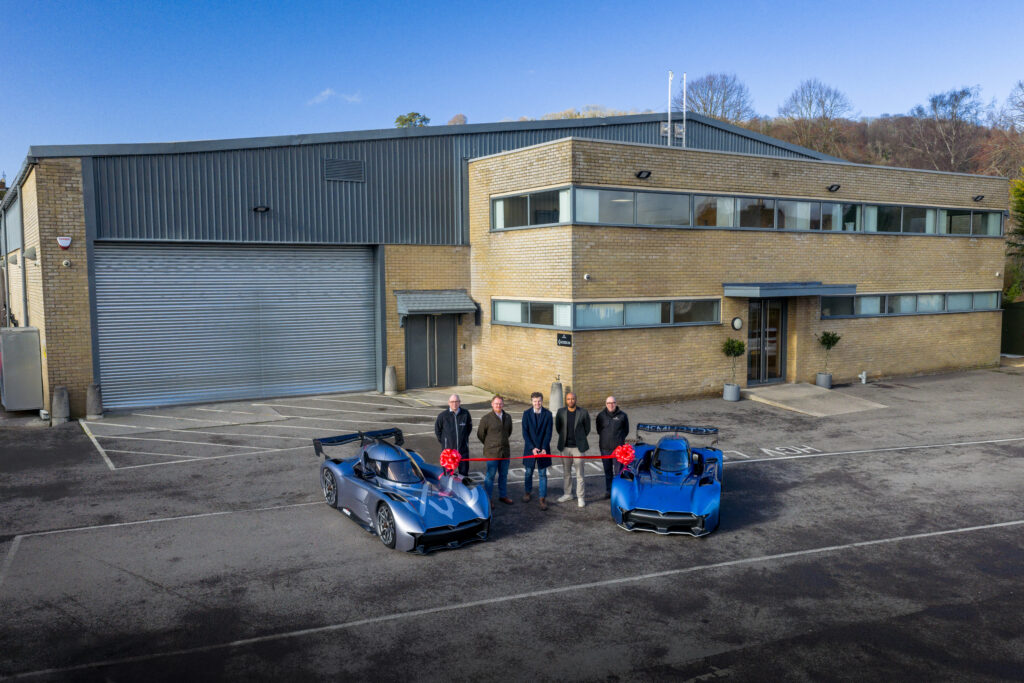
This marks a dramatic pivot for the Xiaomi-backed home appliance maker, which is leveraging its expertise in high-performance motors and robotics to challenge established supercar brands. The debut wasn’t a one-off; Dreame presented a trio of vehicles under its newly formed automotive division, Kosmera, making a clear statement about its serious ambitions in the luxury electric vehicle market.
Engineering a Performance Beast
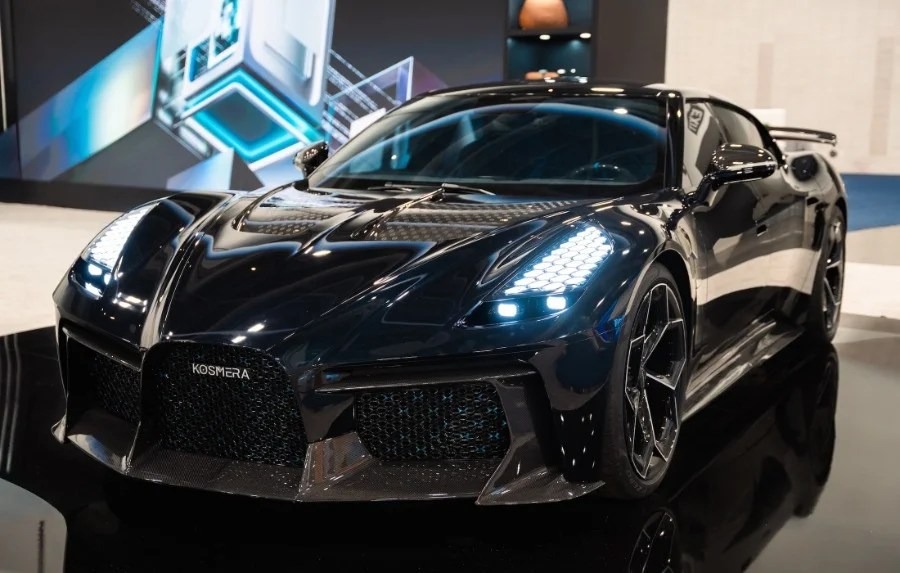
The Nebula Next 01 is far more than a design study; its specifications are engineered to compete at the highest level. The heart of the vehicle is a quad-motor electric drivetrain producing a staggering combined output of 1,876 to 1,903 horsepower. Dreame claims this setup enables a 0-100 km/h (0-62 mph) acceleration in just 1.8 seconds, a figure that places it among the fastest production-capable cars in the world and ahead of competitors like the Xiaomi SU7 Ultra.
The engineering extends beyond raw power. To handle the extreme forces, the chassis utilizes a combination of carbon fiber body elements and ultra-high-strength 2,000 MPa steel, achieving a torsional stiffness of over 45,000 Nm/deg—surpassing that of a Porsche Taycan. An active aerodynamic system and a remarkably low drag coefficient of 0.185 Cd work to manage airflow and stability at high speeds.
Design: From Bugatti Teaser to Distinctive Statement
The vehicle’s journey to the CES stage involved a notable evolution. Early teaser images released in 2025 drew heavy comparisons to the Bugatti Chiron, sparking both intrigue and criticism. The final concept, however, has shifted toward a more original and athletic design language.
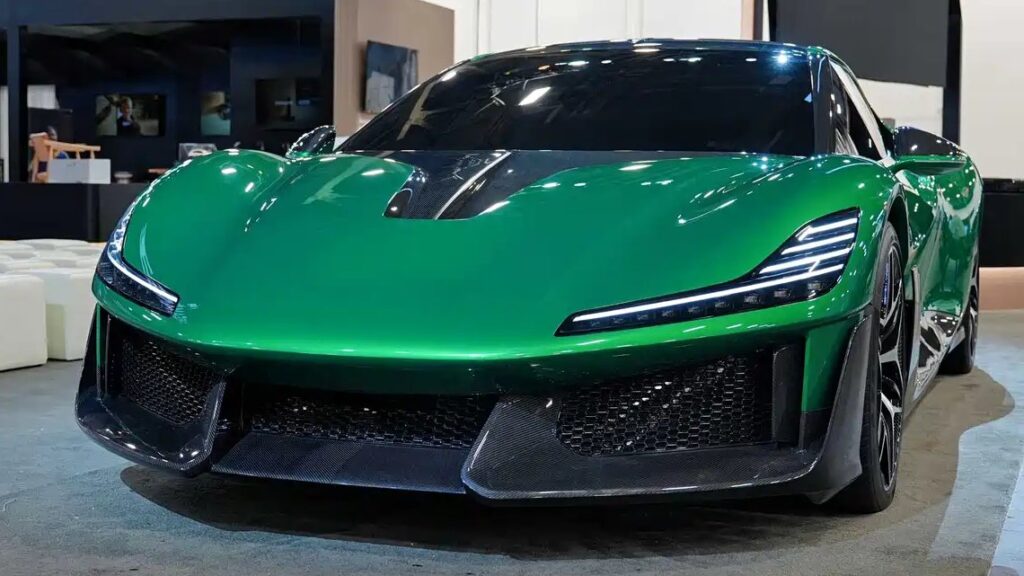
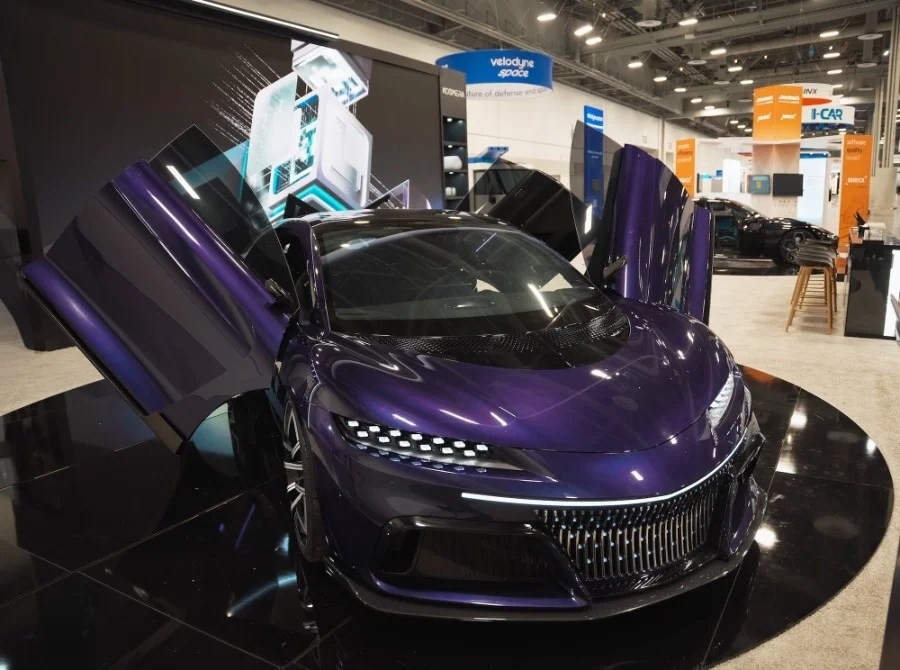
Finished in a distinctive green with extensive exposed carbon fiber trim, the Nebula Next 01 features L-shaped headlights, a sloping roofline, and a full-width LED taillight bar. The design eliminates visible door handles and incorporates a large fixed rear wing and a dual-layer diffuser, emphasizing its performance focus. While echoes of Bugatti’s styling are still present in some details, the overall impression is of a sleek, supercar-inspired four-door coupe.
A Global Ambition Backed by Strategic Moves
Dreame’s automotive ambitions are clearly global in scope. The company has announced plans to establish a new manufacturing plant in Berlin, Germany, strategically located near Tesla’s Gigafactory and supported by a partnership with French banking group BNP Paribas. This European production base underscores the company’s intention to target international markets from the outset.
While the Nebula Next 01 is labeled a concept, Dreame’s roadmap appears concrete. The company aims to begin volume production of new energy vehicles in 2027. It has already assembled a nearly 1,000-strong automotive team, combining talent from traditional auto manufacturing with its own experts in smart hardware and robotics.
The Road Ahead
The Kosmera Nebula Next 01’s debut raises a compelling question: can a vacuum cleaner company successfully build a credible hypercar? History offers cautionary tales, like Dyson’s abandoned EV project, but also parallels in Xiaomi’s own successful expansion into the car market.
Dreame is betting that its core technologies in motors, sensors, and AI algorithms, honed in the consumer electronics space, will translate into a competitive edge for “truly intelligent” electric hypercars. As the industry watches, the Nebula Next 01 has already achieved its first goal: proving that Dreame’s automotive venture is a serious endeavor worthy of attention. The race to production in 2027 will determine if it can truly redefine the rules of performance and luxury.